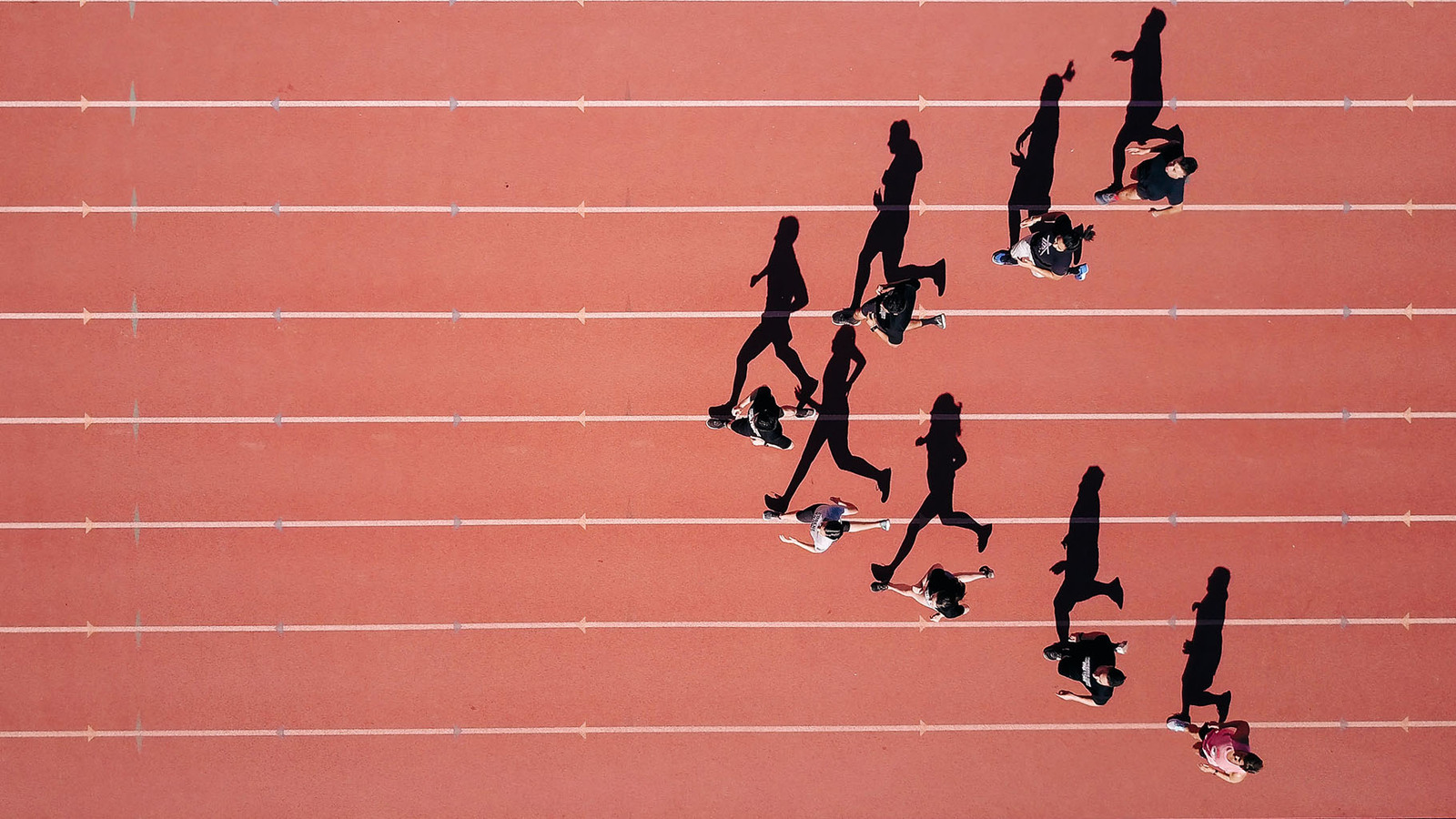
In a world that constantly pushes the boundaries of human potential, endurance sports have emerged as a captivating realm of physical prowess, mental resilience, and unwavering determination. Whether it’s conquering grueling marathons, triathlons, or ultra-distance events, athletes worldwide are continuously seeking to surpass their limits and achieve extraordinary feats.
As the pursuit of endurance excellence evolves, so too does the scientific exploration and innovation surrounding these disciplines. This article explores the cutting-edge realm of endurance sports, uncovering the latest trends and research that are shaping these athletic endeavors. From revolutionary training methodologies to breakthrough nutritional strategies, the insights that researchers and experts have uncovered provide invaluable knowledge to athletes, coaches, and enthusiasts alike.
Key Insights on Latest Trends and Research in Endurance Sports
High-Intensity Interval Training (HIIT)
HIIT has become increasingly popular for improving cardiovascular fitness and endurance capacity.
Strength Training Integration
Emerging research indicates that strength training is just as important for endurance athletes as cardiovascular training.
Wearable Technology
The adoption of wearable technology such as heart rate monitors, GPS watches, and power meters to track and analyze training data is becoming more widespread.
Yoga and Flexibility Training
Yoga and flexibility training are gaining traction as methods to improve flexibility, balance, and injury prevention.
Mental Training
Studies demonstrate that mental training techniques such as visualization, goal setting, and mindfulness can be effective in improving performance and reducing stress impacts.
Nutrition Evolution
Low-carb and ketogenic diets are being utilized by endurance athletes to improve metabolic efficiency and enhance recovery.
Quality Over Quantity
Research suggests that the overall volume of training is not as important as the quality of training for improving endurance.
Recovery Modalities
Recovery modalities including massage, compression therapy, and cryotherapy are increasingly common for accelerating recovery.
Conclusion
Research evolves continuously, and athletes should consult with experts to develop personalized approaches that align with their individual goals and circumstances.